
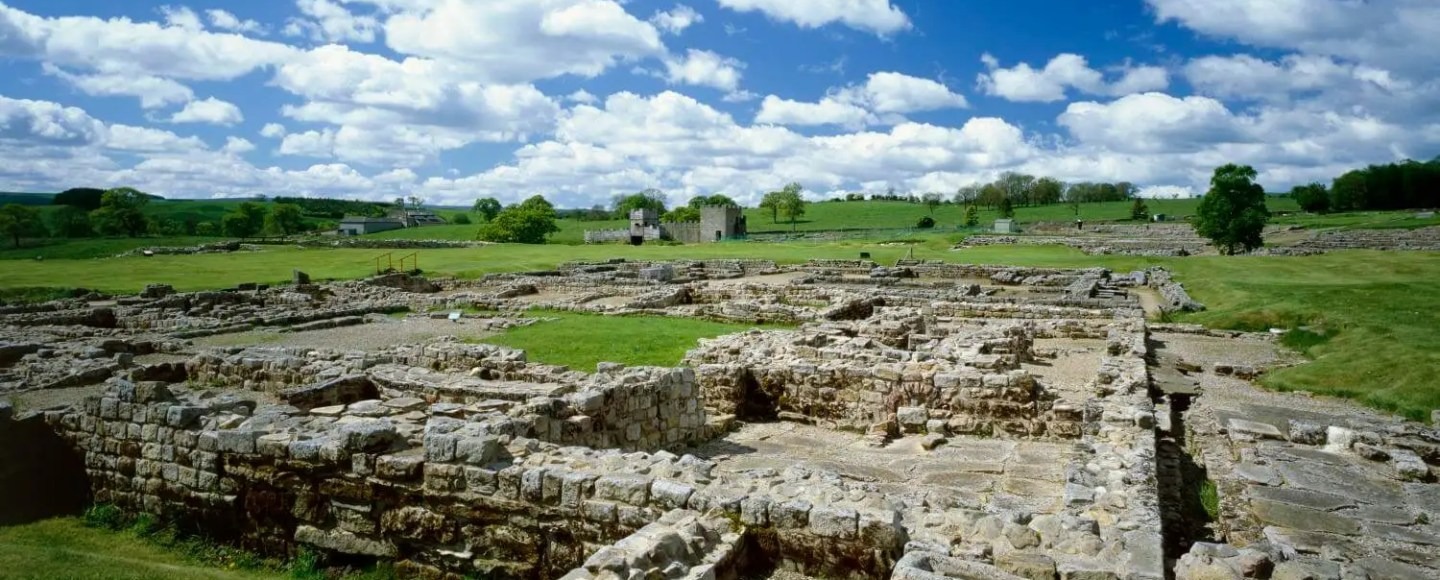
Colonial Ruins Mark the End of the British Empire
In Lagos, the town I grew up in, there aren’t many symptoms and symptoms that Nigeria become as soon as a British colony. There are a few uncommon road names which includes Bourdillon Road, named after the famous governor general, Bernard Bourdillon. There’s the Ikoyi Club, officially opened to Africans in 1947 and now the maintain of the black bourgeoisie.
There are some weathered colonial homes on high property. These have been as soon as the houses of colonial staff, that are now destined for demolition and excessive rises. Not best is our British beyond now no longer missed; it’s miles slightly remembered.

Thus it become with a wry smile that I examine of the decision for the upkeep of colonial homes and monuments through Philip Davies, a former director of English Heritage.
Davies frets over the dilapidation of crumbling “authorities houses”, the dereliction of secretariats and the decay of golf equipment across the Commonwealth. He asks that the British authorities make a contribution to their upkeep, as those homes are a part of Britain’s records and legacy.
Imperial structure has usually performed a critical position in empire constructing. Albert Speer, the leader architect of Nazi Germany, designed homes he was hoping could make exquisite ruins 1000 years hence, ruins that could rival the Colosseum.
The similarly bold architects of the British empire designed homes to intimidate, to awe, to be a bodily illustration of the may and the pressure of empire. Their efforts make extraordinary ruins.
There is the British secretariat in Yangon, Myanmar, that took six years to construct and is a large production the dimensions of London’s V&A museum. It is absolutely deserted today. Plants develop among the arches, damp creeps into the pillars, and the crumbling balconies can also additionally provide manner any minute.

Or the infinite rundown colonial homes that clutter India, as soon as the jewel in Queen Victoria’s crown. Perhaps that is the befitting legacy for all empires: ruins.
Yet Davies could disagree. He sees those homes now no longer as symbols of the folly of imperialism however as a legacy Britain must be proud of. He says: “At a time while a lot public debate is targeted on Britain’s position in Europe, I suppose we frequently overlook that we constructed a lot of the present day global.” It is a grand claim, in step with the grand claims made through the imperialists of the nineteenth and twentieth centuries.
But what’s the present day global? What does it consist of? Large, stuffy brick homes undeserving for the tropical weather of Myanmar? A railway line constructed to move coins plants from the Nigerian indoors to the ports, wherein they could be exported to enhance the Cadburys and Unilevers of this global? Who is this contemporary global constructed for? Who is it designed to enhance?
The cappotential to maintain and increase European infrastructure and monetary fashions has frequently been used as a metric to decide the fulfillment of post-colonial countries. You construct roads, you’ve got got walking water, regular electricity, skyscrapers and a inventory exchange: then your us of a is progressing, developing, shifting one step towards civilisation. If you do not have this stuff, you’re backward, primitive, a appropriate case for “development”. Don’t get me wrong: rail networks, roads and plumbing are beneficial and necessary, however an abundance of era does now no longer equate to an abundance of civilisation.
What have nations which includes Nigeria selected to maintain from the frequently negative results of colonial touch with Britain? We’ve preserved our indigenous languages, our marriage customs, chieftaincy titles, monarchies and, in a few components, our communal manner of life, regardless of tries to wreck them. We have not preserved this stuff of their entirety and complexity, nor have they remained closed to out of doors influences; however any conservation efforts were focused there, now no longer on buffing imperial statues and whitewashing colonial secretariats.

As a historian, I sympathise with the case for the conservation of colonial monuments – now no longer due to the fact they’re the constructing blocks of the “present day global” however due to the fact countries must confront painful components in their records. This is why the crate on Robben Island become now no longer torn down however is now open to tourists. Yet, withinside the equal South Africa the human beings have decreed that Rhodes have to fall.
Perhaps a few colonial monuments have to be toppled. Either manner, it’s miles for the human beings of the previous empire to determine how they may commemorate their connection to Britain: with ruins or with plaques.
The ruins of the Commonwealth are a caution for all could-be empire builders. Remember Ozymandias, “king of kings: Look on my works, ye Mighty, and despair!”
Leave a Reply