
Kunstmuseum Basel Review Judgment and Courage
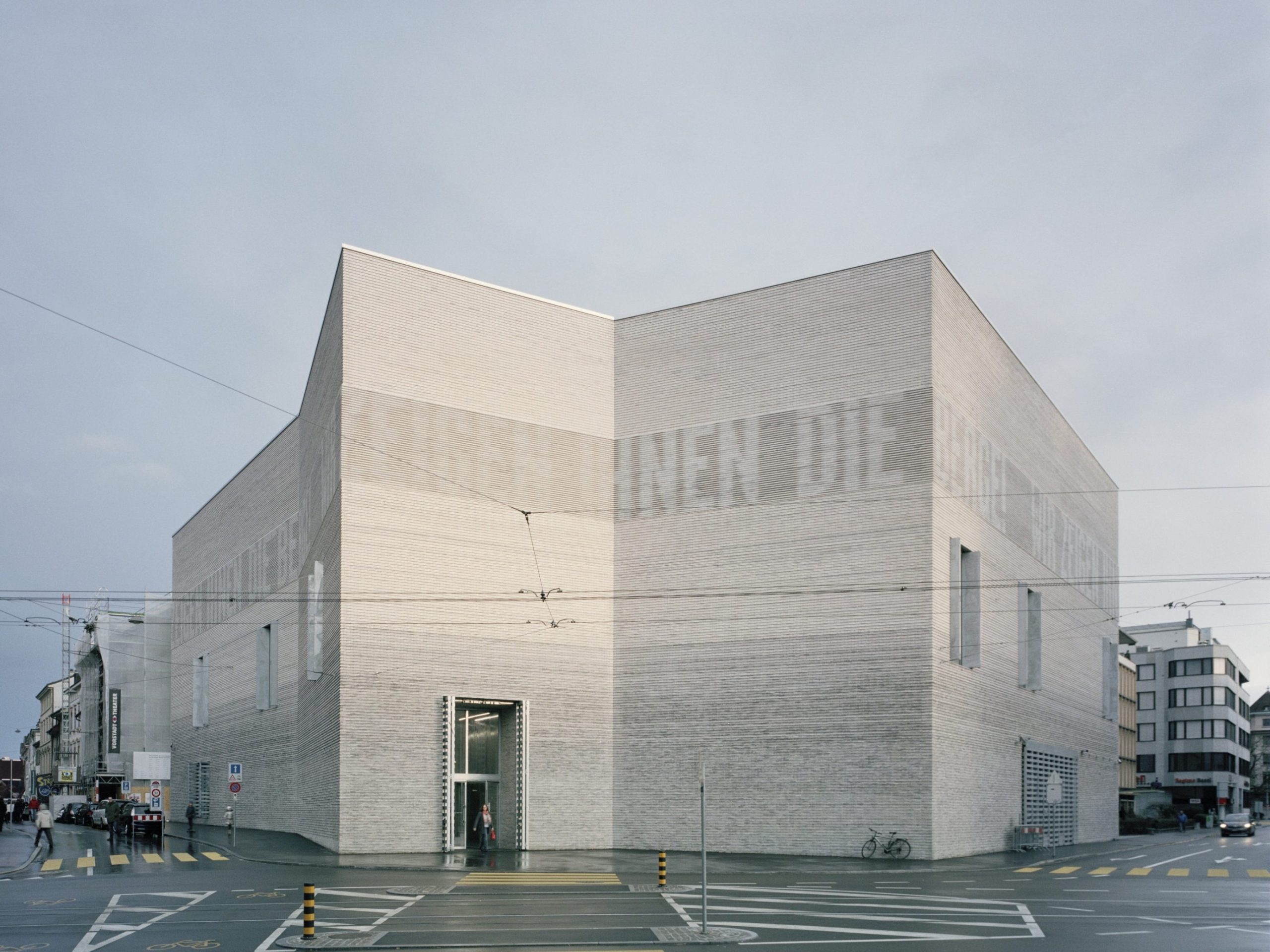
It’s unexpected, in an angular structure, nearly each line of that is straight, however the first picture induced via way of means of this new Swiss artwork constructing is of a cloud. There’s some thing approximately the manner its faceted partitions trap the mild, and its variegations and striations of brickwork modulate shadow, that make it a disciplined emulation of the riotously multiform summary expressionist skies that may roll off surrounding tiers of hills and mountains to shape over the metropolis of Basel.
The influence maintains inside, in a large staircase on the recent timery heart of the constructing. It is gray, gray, gray. Grey marble, gray scraped plaster, gray galvanised metal handrails, gray aluminium, gray concrete. Which, if it sounds depressing, is virtually subtly exhilarating: like being, in spite of the tough surfaces, withinside the center of a large, tender pile of aerial vapour.

The paradoxical nature of the brick cloud is an instance of what its architects, Emanuel Christ and Christoph Gantenbein, name the “now no longer-best-however-additionally”, the important capacity of structure to be multiple issue at a time. Its venereal of masonry and surroundings additionally breeds what’s the primary topic of the task, that is the manner wherein constructed stuff can serve the diffused materials it contains – in particular, on this case, excellent artwork.
The constructing is a huge extension to the Kunstmuseum Basel, separated from it via way of means of a road however linked underground. The museum is an organization that prides itself at the first-class and chronological intensity of its collection – if it has Holbein, it additionally has Donald Judd and Charles Ray. The task affords the event for what is probably the today’s bout in an vintage feud among structure and artwork, wherein the ego of the previous is condemned of upstaging the latter or, while architects pick out to be scrupulously self-effacing, a lethal and no much less oppressive neutrality is achieved.
Christ and Gantenbein, who’re primarily based totally in Basel and a era underneath a number of the honestly large names they smack withinside the opposition to layout the task, purpose for neither, however rather “powerful, sturdy rooms”, advanced with the assist of the artist Peter Fischli, that “provide a sure friction”. Art and curators are to “rub up against” the “sturdy bodily presence” of the areas. Art, they say, “possesses a extra depth while proven in a devoted architectural space: while an authentic meets an authentic”.

What this faintly saucy language method in exercise is a chain of rooms which might be rectangular, well-proportioned, high-ceilinged, respectful of the standard necessities for displaying artwork, and to this volume easy and normal, however made specific and weighty via way of means of alternatives of cloth and detail. Most contemporary-day gallery areas be afflicted by having ceilings interrupted and punctured via way of means of the paraphernalia of lighting, weather manipulate and hearthplace prevention, which display their plasterboard production as flimsy and undermine self belief withinside the substance of the complete. Here the ceilings are manufactured from concrete beams and planks, with the essential fittings included into them.
The oak parquet ground is of a kind utilized in factories, with a grid of joints this is nearly however now no longer too emphatic. The intensity of the exhibits of the openings among galleries is satisfyingly emphasised. There are windows, dignified oblongs that remind you of the road out of doors and admit the form of mild you would possibly locate in a house, in place of the over-processed model not unusualplace in museums. The sequences of galleries have a comfortable formality. There is a peaceful and naturalness that permits you to show up upon works in place of confront them.
These won’t appear like sizable or radical achievements, however they’re so not often achieved to this diploma that they’re. They may also be known as classical or vintage-fashioned, such that the modern-day structure appears older than a number of the artwork it contains. Indeed the subject matters of time, of age, of what got here earlier than or after what, run via the complete task.
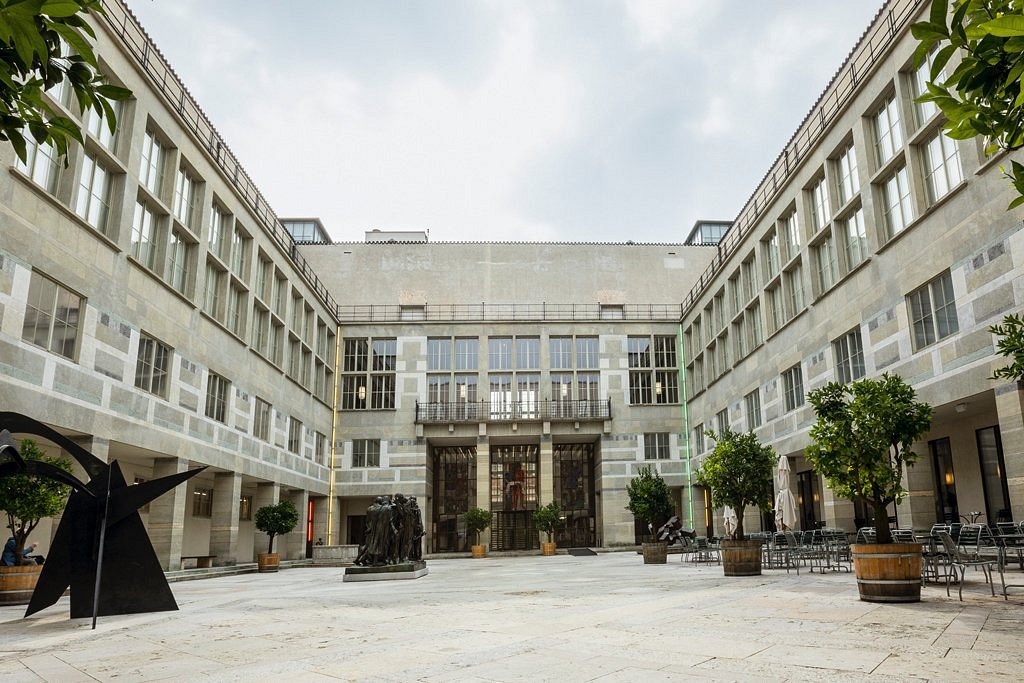
In this, Christ and Gantenbein take their cues from the museum they’re extending, a layout of idiosyncratic splendor which, even as borrowing freely from the Italian Romanesque, may want to best honestly had been constructed withinside the 1930s. From it the extension borrows its greyish-whitish palette (however with the greys upped) and an method to masonry that every so often makes it into sheer planes, every so often emphasises its mass. It differs from the classical predecessor withinside the asymmetries and abnormal angles of its exterior. Then, with a deft architectural flick, Christ and Gantenbein infiltrate their brickwork with LEDs to create a band of digital signage withinside the approximate role of a classical frieze. It is archaic and new, component Parthenon, component Vegas, however now no longer honestly either.
Leave a Reply